What Does the Carbon Footprint of Food Mean?
When we talk about the carbon footprint of food, we’re referring to the total greenhouse gas emissions associated with growing, processing, transporting, and storing what we eat. These emissions, primarily in the form of carbon dioxide (CO2), methane (CH4), and nitrous oxide (N2O), contribute to climate change. The carbon footprint of a specific food item varies based on factors such as cultivation practices, distance traveled, and energy use. By understanding this concept, we can make more informed choices about the food we consume and how it impacts the planet.
How Growing, Transporting, and Storing Vegetables Affects Emissions
The process of bringing vegetables from farm to table involves several stages, each with its own environmental impact:
- Growing: The cultivation of vegetables involves water use, fertilizers, pesticides, and energy. Organic farming typically has a lower carbon footprint because it avoids synthetic fertilizers and promotes sustainable practices. However, certain crops, such as tomatoes or peppers, grown in heated greenhouses can have significantly higher emissions.
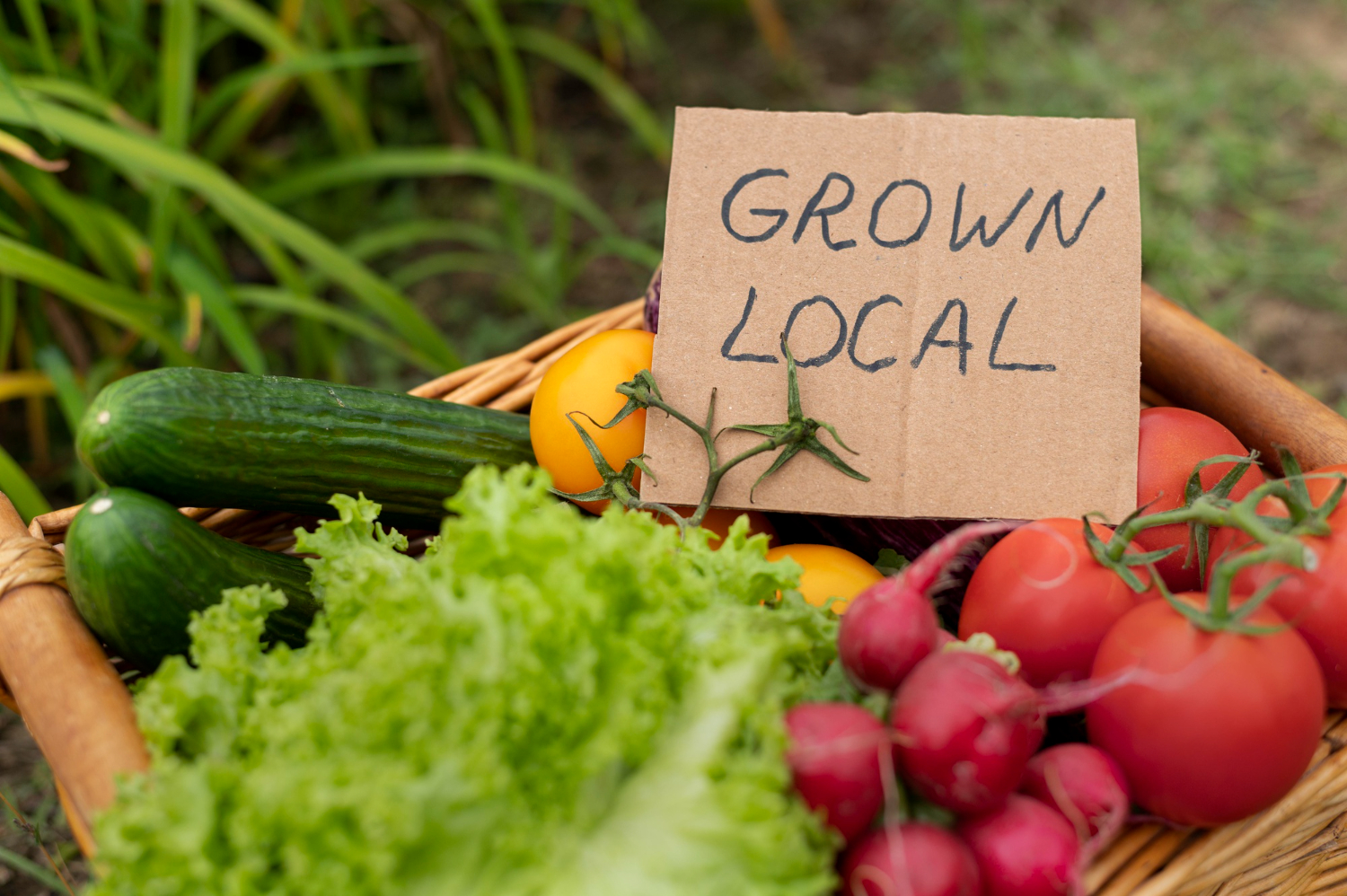
- Transporting: Vegetables often travel hundreds or even thousands of miles before they reach your plate, especially out-of-season produce. Shipping foods by plane has a larger carbon footprint than by truck or ship. Locally grown vegetables reduce this impact and often taste fresher.
- Storing: Once harvested, vegetables may require refrigeration or packaging to stay fresh. These processes consume energy and materials, further increasing the food’s overall emissions. Proper storage and reduced packaging can help mitigate this.
Which Vegetables Have the Lowest Carbon Footprint?
Not all vegetables are created equal when it comes to carbon emissions. Some require less energy to grow, transport, and store, making them eco-friendlier options. Here are a few vegetables with a low carbon footprint:
- Root Vegetables: Carrots, beets, and potatoes have relatively low emissions due to their hardiness and ability to grow in diverse climates without intensive energy inputs. They also store well without refrigeration.
- Leafy Greens (Grown Locally): Spinach, kale, and lettuce are sustainable if sourced close to home. Avoid varieties imported from far-off regions, as their transport increases emissions.
- Legumes: While technically not vegetables, lentils and beans deserve a mention. They fix nitrogen in the soil, reducing the need for synthetic fertilizers.
- Seasonal Vegetables: Eating what’s in season locally is one of the easiest ways to lower the climate impact of your diet. Seasonal produce doesn’t require energy-intensive growing practices or long-distance transportation.
Tips to Eat More Sustainably
Reducing your food-related carbon footprint is simpler than you might think. Here are some actionable tips:
- Buy Local and Seasonal: Choose vegetables grown in your region during their harvest seasons to minimize transport emissions and support local farmers.
- Limit Food Waste: Only buy what you need and store produce correctly to extend its freshness. Compost scraps to give back to the earth.
- Opt for Minimal Packaging: Purchase loose produce instead of pre-packaged varieties to reduce plastic waste.
- Grow Your Own: Even a small backyard garden or windowsill planter can supply herbs and vegetables while eliminating emissions from transportation and farming inputs.
- Choose Organic When Possible: Organic farming practices generally have a smaller carbon footprint and eliminate the use of harmful chemicals.
- Support Sustainable Brands: Patronize companies committed to green values and environmentally friendly practices, such as Chef Gourmet, where sustainability and quality go hand in hand.
Chef Gourmet: Fresh Ingredients, Bold Flavors
At Chef Gourmet, we believe that every great meal starts with quality—fresh vegetables, premium ingredients, and a passion for healthy, flavorful cooking.
Based in Ontario, California, we specialize in creating nutritious dishes that don’t compromise on taste. Whether you’re looking to elevate your daily meals or need professional catering for your next event, we’re here to serve.
📞 Call us at 1-888-536-5269, 📧 email info@chef-gourmet.com, or connect with us on Facebook, Twitter, Instagram, and LinkedIn.
Discover how good healthy eating can taste—start your journey with Chef Gourmet today.